
Mastering the art of bluffing in poker: tips and tricks
Understanding the Psychology of Bluffing
Bluffing is indeed a critical element in poker, significantly intertwined with the psychology of the game. At its core, bluffing requires players to manipulate their opponents’ perceptions, much like how one might navigate an online casino australia environment where strategies can vary widely. It’s not just about what cards you hold, but how you portray your confidence or weakness throughout the game. Understanding this psychological aspect can enhance your bluffing techniques, as successful bluffing relies heavily on reading your opponents and anticipating their reactions.
To effectively bluff, you need to gauge the mindset of your adversaries. Pay attention to their betting patterns and physical tells, which can offer insights into their possible hand strength. For instance, a player who suddenly increases their bet may be feeling confident in their hand, while a hesitant player might be hiding a weaker set. Mastering these behavioral cues allows you to craft bluffs that can mislead and outmaneuver your opponents.
Additionally, the context of the game heavily influences bluffing success. The stage of the game, the stakes involved, and even the table dynamics play significant roles. For example, bluffing in a high-stakes tournament differs greatly from casual play with friends. Adapting your approach based on these environmental factors can enhance your success rates and make you a more formidable player overall.
Timing Your Bluffs Effectively
Timing is crucial when executing a successful bluff in poker. Knowing when to bluff can be the difference between winning a pot and losing your chips. Generally, the most effective bluffs are executed when the situation presents either a strong opportunity or a strategic need to shift the dynamics of the game. This could be after a favorable flop that makes it likely that your opponents missed their draws, making your story more convincing.
Another aspect of timing involves the bet sizing associated with your bluff. A well-timed bluff generally comes with a corresponding bet that feels believable based on the texture of the board and the actions taken up to that point. For instance, a large bet might indicate strength, while a smaller bet could suggest either a weak hand or a strategic gamble. Players often underestimate how crucial the size of their bets is when attempting to convince others that they have a strong hand.

Moreover, bluffing too frequently can damage your credibility at the table. If you regularly attempt to deceive your opponents, they will eventually catch onto your tactics. Therefore, balancing your bluffs with genuinely strong hands and waiting for the right moments to act is essential. This will help you maintain an unpredictable style, making it harder for your opponents to pinpoint when you are bluffing and when you are not.
The Importance of Table Image
Your table image can significantly impact the success of your bluffing endeavors. How you are perceived at the table influences how opponents respond to your actions. For example, if you have been playing tightly, a sudden aggressive move might raise skepticism among your fellow players. Conversely, if you have been bluffing frequently, they may be more inclined to call your bluffs, creating a paradox that savvy players must navigate.
Establishing a strong table image involves a blend of consistent play and strategic adjustments based on the dynamics of the table. If you’ve been showing strong hands, your opponents may be more likely to fold against your bluffs, believing you are playing the same way. However, you must also be careful not to overcommit to a single image and risk becoming predictable in your style.
Ultimately, understanding and shaping your table image can enhance your bluffing effectiveness. Take note of how others perceive you and adjust your playing style accordingly. This adaptability will not only improve your bluffing strategies but also make you a more formidable opponent overall. The ability to shift images will keep your opponents guessing, further enhancing your bluffing potential.
Reading Your Opponents’ Reactions
Being able to read your opponents is a vital skill in bluffing. Every player reacts differently to certain situations, and understanding these nuances can provide you with a strategic advantage. For instance, some players may show signs of excitement or fear through their body language, such as fidgeting or leaning forward when they are confident in their hand. Conversely, players who might be bluffing often exhibit signs of discomfort, such as avoiding eye contact or covering their mouths.
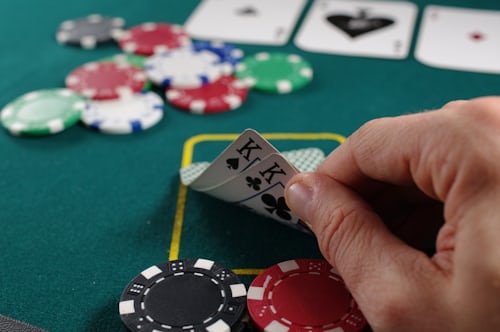
Moreover, the way individuals respond to specific bets can offer valuable insights into their hand strength. If an opponent responds to your bet with a quick call or raise, they may feel confident about their cards. On the other hand, hesitation or overthinking before making a move could suggest uncertainty. These cues can guide your decisions on whether to pursue a bluff or retreat based on the information you gather.
Additionally, the ability to adjust your strategy based on the reactions of each player at the table is crucial. If you notice that a specific player is particularly adept at reading others, you may need to reconsider your bluffing tactics or even attempt to play into their perceptions. By staying observant and adaptive, you’ll increase your chances of successful bluffs while minimizing potential losses against keen opponents.
Conclusion and Resources for Aspiring Players
Mastering the art of bluffing in poker requires a combination of psychological insight, timing, and adaptability. By understanding the psychological aspects of bluffing, timing your moves effectively, and reading your opponents, you can significantly improve your game. Bluffing is an essential skill that transforms an average player into a formidable opponent, making the experience of poker both thrilling and strategic.
If you’re looking to enhance your poker strategies further, numerous resources are available to help aspiring players. Whether it’s through books, online forums, or instructional videos, immersing yourself in the poker community can provide invaluable insights and tips. Understanding various perspectives on bluffing and strategy can not only make you a more skilled player but also deepen your appreciation for the game itself.
Investing time in learning about bluffing and poker strategies will undoubtedly yield dividends at the table. As you gain confidence and refine your skills, you’ll find that bluffing becomes a natural extension of your gameplay. Embrace the challenge of mastering bluffing techniques, and you may find yourself rising through the ranks of the poker world, ready to conquer any table you sit at.
